Book consultation



When it comes to long-lasting restorative solutions for missing teeth, dental implants are a popular choice.
But while traditional All-on-4 are the most common type used in Australia, did you know that there’s another option available, one that many consider to provide more natural-looking results and protect your gums?
As experienced implant dentists in Wollongong, we understand that every patient wants something different from their restoration and needs the right plan to get them there.
If maintaining your natural smile is your top priority, FP1 implants may be the most suitable option.
At Southern Dental Specialists, our team of experienced prosthodontists can help determine your suitability with a complimentary consultation.
For now, we’ll explore what FP1 implants actually are, who can get them, and what sets them apart from the popular All-on-4 (or FP3) implant variety.
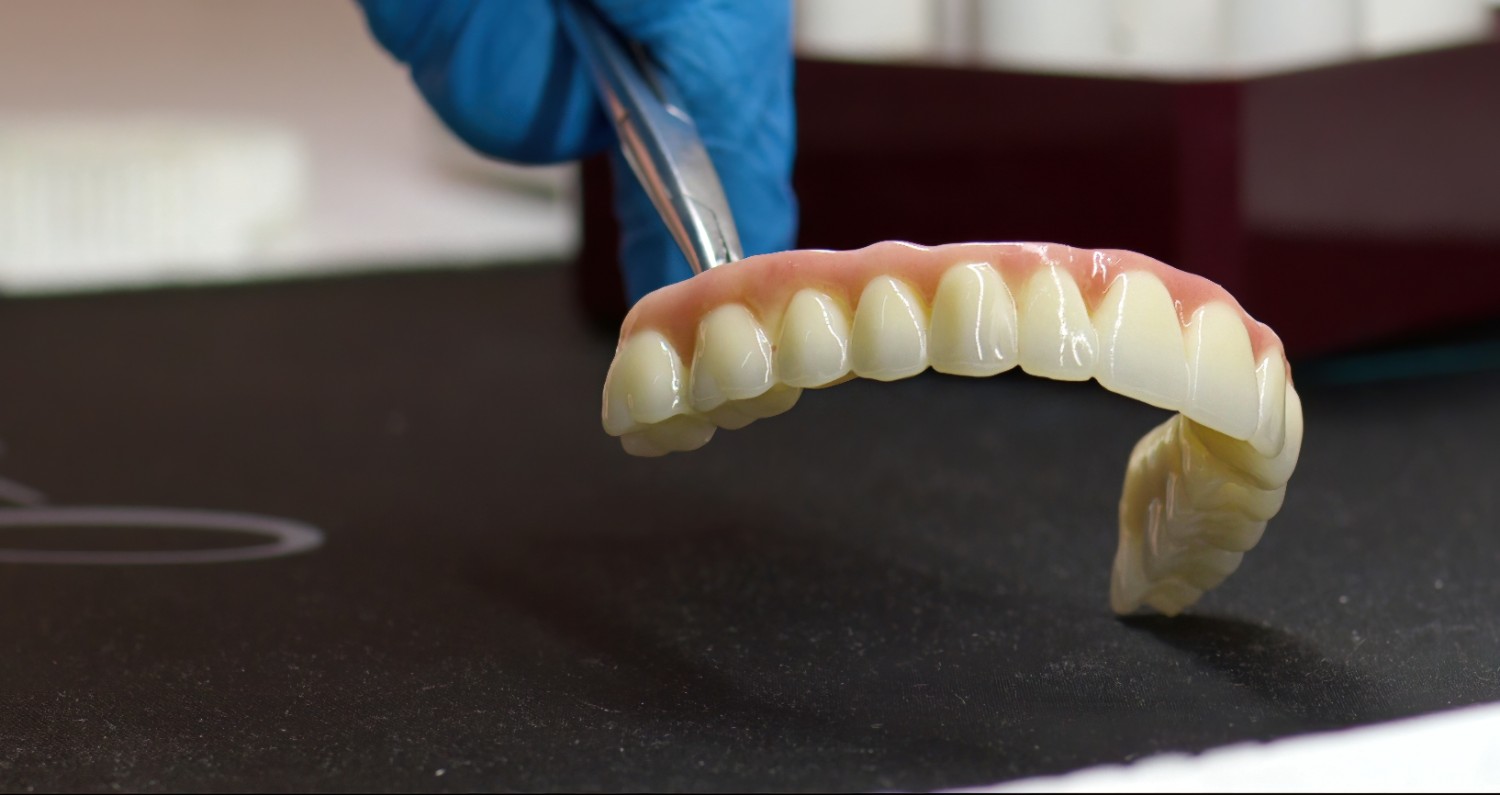
FP1 implants are a type of fixed, full-arch dental prosthesis designed to replace only teeth, not the underlying gum tissue.
These restorations emerge directly from the gum, with no artificial pink to simulate gum as part of the prosthesis.
In other words, it is a “tooth only” bridge.
In FP3 implant bridges, often a large part of the gum and bone is surgically removed in order to make the prosthesis larger (for strength) and to hide the join between the bridge and the teeth under the smile line.
This means it is more invasive and results in a bulkier prosthesis.
This can affect speech, chewing and general comfort.
Several other key characteristics of FP1 implants include:
Only some prosthodontists/clinicians offer FP1 treatment, like the team at Southern Dental Specialists.
If you’d like to learn more, or you’re ready to find out if FP1 implants are suitable for you, you can book a complimentary consultation with us today.
The main difference between FP1 implants and other implant restorations lies in how the crowns emerge from your gums, so the overall process is quite similar, although it requires a higher level of skill, planning, and technical collaboration than standard implants to perform:
1. Implants are placed :
Between 6 and 8 rods will be surgically placed in your jawbone (per arch) to act as artificial tooth roots and anchor the prostheses.
2. Osseointegration occurs
The implants will fuse to your jawbone through a process known as osseointegration. For most people, this will take around 3 months, but exact timelines will depend on your individual circumstances.
3. Temporary teeth shape your gums
You'll wear a fixed temporary bridge while you heal, with adjustments to shape your gums so your final teeth look like they emerge naturally.
4. Prosthesis is secured
Once the healing is complete, your dentist will attach the dental bridge to your implants, with the goal of restoring full bite function and a balanced smile.
FP1 implants don’t use pink acrylic to hide missing bone or gums, so it will look like your replacement teeth are coming straight out of your gums, just like your natural ones.
The FP in FP1, FP2, and FP3 stands for “fixed prosthesis”, the number corresponds to the amount of tooth and tissue loss the prosthesis is being used to restore.
FP2 dental implant restorations replace the tooth and some lost root structure, so the teeth can look slightly longer than natural ones. This can be a good compromise when your lip covers your gumline as you smile.
FP1 implants are often considered to provide more natural-looking results, most implant patients will receive FP3 implants (or All-on-4 implants).
This is primarily because FP1 implants have strict criteria for use, while FP3 dental implants are suitable even if you have significant bone or tissue loss.
There is no universal best implant for smile restorations, and if you want to find the right treatment for your smile, you can start with a comprehensive dental consultation.
Our team can provide a wide range of prosthodontic treatments in the Illawarra, including FP1 implants, and you can book a complimentary consultation with our team to discuss your options and get a personalised treatment plan.
In the meantime, we’ve broken down some of the key differences between FP1 and FP3 implants for you, so you know more about what patients can expect:
Total dental implant costs depend on the complexity of your case, the type of implant you receive, and any additional treatments required to complete your restoration.
At Southern Dental, FP3 treatments (which most All-on-4 dental implants are) start at $34,000 per arch.
FP1 restorations generally cost more.
They typically require more implants, more detailed planning, and sometimes grafting, although procedures will vary depending on your individual circumstances and smile goals.
Full-arch FP1 dental implants are generally more expensive, ranging from $40,000 to over $50,000 per arch. However, several factors can affect the cost of FP1 implants, including:
Every dental or surgical procedure comes with unique considerations, and FP1 implants are no different.
Your dentist will discuss these with you before any treatment begins, but some of the most common risks with FP1 implants include:
We can help with both at Southern Dental Specialists, but exact treatment needs will depend on your individual circumstances and can only be determined after a prosthodontic assessment.
As they have no pink acrylic or visible line between the prosthesis and your gums, FP1 implants can be a good option for eligible patients who are prioritising a natural-looking restoration.
However, not everyone is a suitable candidate for FP1 implants, and you must meet certain criteria before our team can recommend you for treatment.
As a general rule, a good FP1 dental implant candidate usually has:
FP1 is most achievable when failing teeth are replaced while the surrounding bone is still intact. After teeth are removed, the jawbone gradually shrinks, which can make FP3 the more suitable option later on.
For patients who do not meet these criteria, the alternative is usually FP3 implants, where the bone is cut down to accommodate the implants, and a prosthesis is used to replace missing gums and teeth.
Ready to find out how dental implants can help restore the look and feel of your natural bite?
Our experienced implant dentists and in-house lab technicians are here for you, right at home in the Illawarra, working together to match your implants to the shade and shape of your smile.
At Southern Dental Specialists & Implant Centre, we’re committed to helping you find the right treatment plan to achieve your smile goals, including FP1 implants.
We’ll walk you through your options, outline the risks and what you can expect, and answer any questions you might have.
We invite you to book a complimentary consultation with our treatment coordinator today, or call us to get started.
View all posts by Dr Arun Thangavel