
Book consultation


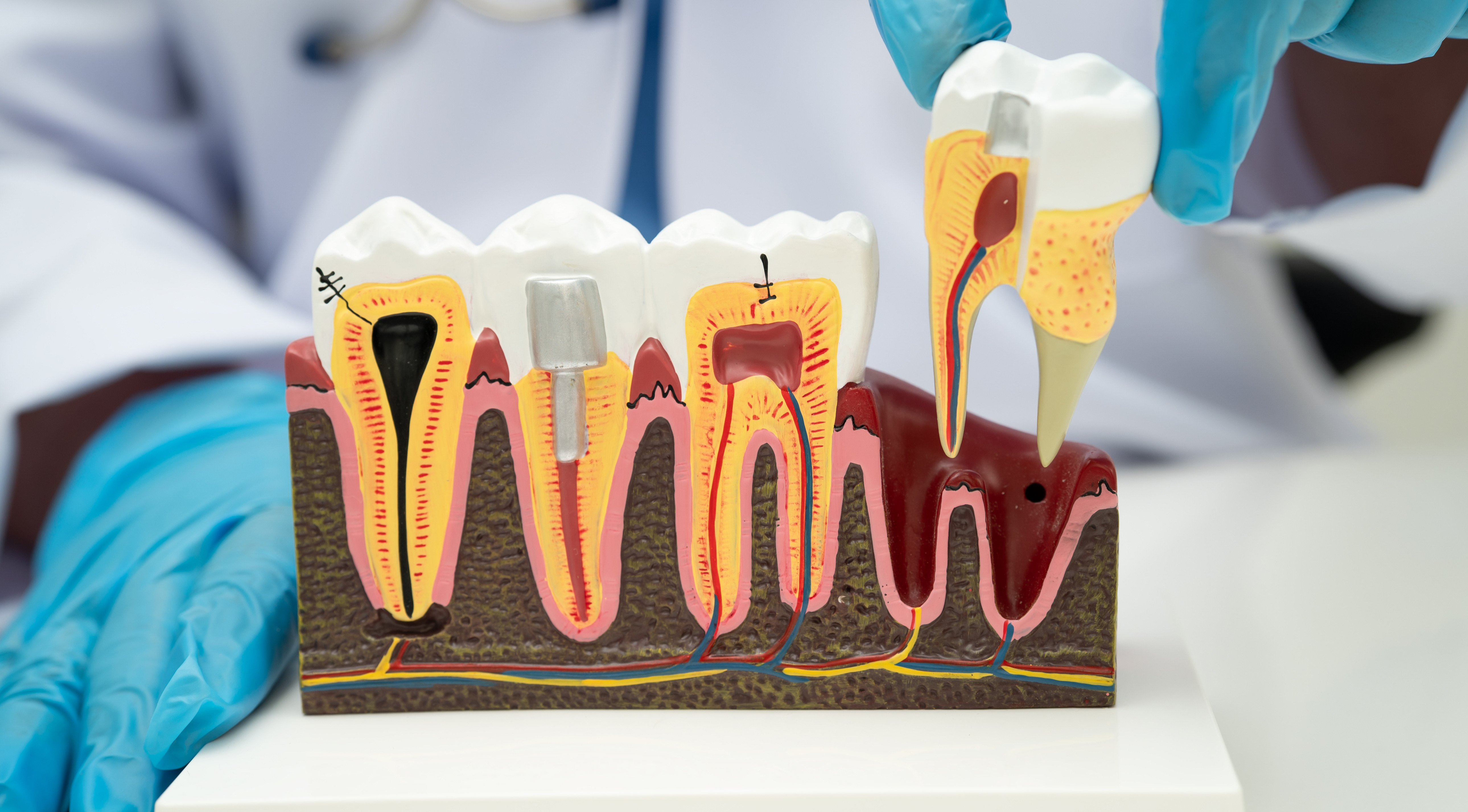

Everyone experiences a certain degree of tooth wear during their life. However, being able to identify the degree of wear, and when ‘normal’ becomes excessive, offers a better understanding of dental erosion treatment options.
As Wollongong dental specialists, we understand it can be hard to recognise early signs of wear, as many people assume the signs will be obvious, when in reality they're often subtle.
This guide combines years of clinical experience with the questions we hear most often from our patients.
Whether you're seeking All-on-4 dental implants to completely replace existing damage, or veneer treatment to mask enamel wear, here’s everything you need to know about tooth wear to consider suitable treatment options.
Tooth wear is a common dental issue, and can stem from a variety of causes and result in distinct patterns on the surface of teeth.
Different processes damage teeth in different ways, and often more than one is happening at once.
Tooth wear falls into four main categories: erosion, abrasion, attrition, and abfraction. Each has distinct features and causes.
The table below breaks down what causes each type, where it shows up, what it looks like, and what else makes it more likely.
It’s important to note that more than one type of dental erosion, as explained above, can occur at the same time.
For example, acidic erosion can soften enamel, after which brushing abrasion or tooth-to-tooth attrition accelerates the wear.
A clinical diagnosis with dental specialists is important for accurate identification of causes and treatment options.
There are numerous factors, both external and underlying, that can cause or influence tooth wear.
The main dental erosion causes can be categorised as external, intrinsic, or medical.
In many cases, there are multiple causes for tooth wear, so it can be hard to deduce just one source.
Below we’ve listed some of the more common causes from daily life that degenerate teeth.
These are factors from outside the body that physically or chemically wear down the teeth over time.
These causes come from within the mouth itself, such as how the teeth meet or function.
Underlying health conditions can expose teeth to damage that isn't related to diet or habits alone.
Early warning signs are usually hard to spot until they become severe or visually prevalent within the mouth.
However, there are some significant ways to identify tooth wear and seek professional dental treatment before requiring any drastic care. Here are some things to look out for with tooth wear:
1. Translucency of teeth/smooth and glossy enamel
The teeth can start to look more see-through or glass-like, especially around the edges. The surface may also look very smooth and shiny, almost polished.
2. Increased tooth sensitivity
The tooth/teeth may hurt or feel sharp/sensitive when exposed to cold drinks, hot foods, sweet foods, or sometimes even when brushing.
This happens because the protective enamel has become thinner and the more sensitive inner parts of the tooth are closer to the surface.
3. Visible changes to tooth structure (dents, facets, chips, notches etc.)
Parts of the tooth look worn down or have changed shape.
This can appear as small dents, flat areas, grooves, notches, chips, or flattened edges.
4. Gum recession
The gum moves or pulls away from the tooth, making more of the tooth visible.
The tooth can therefore look longer than usual, and the exposed area near the gumline may appear slightly darker or yellower.
5. Yellowing (exposure of inner dentine)
As the outer white enamel becomes thinner or wears away, the naturally yellowish dentine underneath becomes visible.
The teeth may therefore look more yellow or darker, particularly in areas where the enamel has been lost.
It's important to seek proper dental care whenever you experience changes to the shape or sensitivity of your teeth.Our team at Southern Dental Specialists and Implant Care performs thorough evaluations to understand and correctly treat the causes of your dental attrition.
Book a consultation with us today if you are concerned about your teeth.
Some degree of tooth wear is a natural part of ageing. As time passes, our teeth are exposed to acids, forces, and habits that gradually affect their surface.
However, this doesn't mean erosion is inevitable or unmanageable. Taking preventive steps early, before signs of wear appear, can significantly slow this process down.
The earlier these habits are put into practice, the more effective they are at preserving your natural enamel for the long term.
How and when you clean your teeth can make erosion better or worse.
Acid temporarily softens enamel, so brushing too soon after exposure can wear it away further, while the right products and timing help your enamel reharden and stay protected.
Following these habits consistently helps prevent further tooth wear, even if you can't yet see any visible signs of damage:
What you eat and drink (and how often) directly determines how much acid your teeth are exposed to over the course of a day.
Even healthy foods can contribute to erosion if they're acidic and consumed frequently, since each exposure gives enamel less time to recover.
Making these small changes to your diet helps protect your teeth from future damage, even before any wear becomes noticeable:
Everyday habits and sleep position can influence how much stomach acid reaches your teeth and how often, particularly for people affected by reflux.
Addressing these factors helps reduce the internal (as well as external) causes of erosion.
Making these adjustments can help prevent tooth wear over time, even if there's no visible damage yet.
For underlying causes of tooth wear, it may be worth speaking to a dental professional about your treatment options.
There are numerous ways to manage conditions such as bruxism, malocclusion, and acid reflux, however they vary depending on individual factors.
Our dental erosion experts in Wollongong can help develop a personalised care plan to support your specific tooth wear concerns.
Dental professionals follow a strict procedure for deducing the best treatment practice for individual cases.
Tooth wear can come in a variety of shapes and sizes, so knowing what causes wear can help produce a lasting result from your tooth erosion treatment.
Effective management begins with identifying and controlling the underlying cause, since restorative treatment will fail if factors like acid exposure, poor brushing technique, bruxism, or occlusal loading are left unaddressed.
For mild or early cases, a period of monitoring is often appropriate before any intervention. Sensitivity is managed through desensitising agents, high-fluoride toothpaste, and dentine bonding agents where indicated.
If restorative treatment is needed, a minimally invasive approach is favoured.
This aims to preserve as much natural tooth structure as possible through composite bonding or resin infiltration rather than more destructive crown or veneer treatments.
Where wear is localised and space is limited, the Dahl concept can be applied, allowing teeth to gradually shift and create space without invasive preparation.
The choice of restoration depends on severity, ranging from single dental implants for mild, localised cases to indirect onlays, veneers, or All-on-4 full arch replacement for more advanced cases.
Severe or generalised wear often requires a multidisciplinary approach involving restorative, periodontal, endodontic, and sometimes orthodontic input.
Long-term maintenance is essential throughout, with ongoing review to reinforce preventive advice and monitor for further wear or failure.
Overall, treatment follows a structure of prevention, monitoring, intervention, and restoration where truly necessary.
Book a consultation with Southern Dental Specialists and Implant Care to get advice on what this process looks like for you.
Age can be one of the most significant factors influencing tooth wear and tooth erosion, as tooth wear is largely dependent on cumulative exposure.
Since teeth are naturally exposed to acids and everyday friction over time, some degree of wear is considered a normal physiological aspect of ageing.
Specialist dentists like our team are able to distinguish expected wear from pathological or excessive wear based on the correlation between condition and age.
While tooth wear is normal and will naturally occur with age, there are some distinguishing factors that suggest wear beyond what is considered normal.
Heightened tooth sensitivity, visible structural damage (such as chipping), and darkening of teeth are all signs that you may benefit from professional dental care.
Even if you are unsure of your condition, it's worth speaking to a professional to rule out any future implications.
Book an appointment with Southern Dental Specialists and Implant Care to address your tooth wear concerns and establish a care plan tailored to your specific needs.

View all posts by Dr Arun Thangavel


.png)


.jpg)