Book consultation


%202.jpeg)

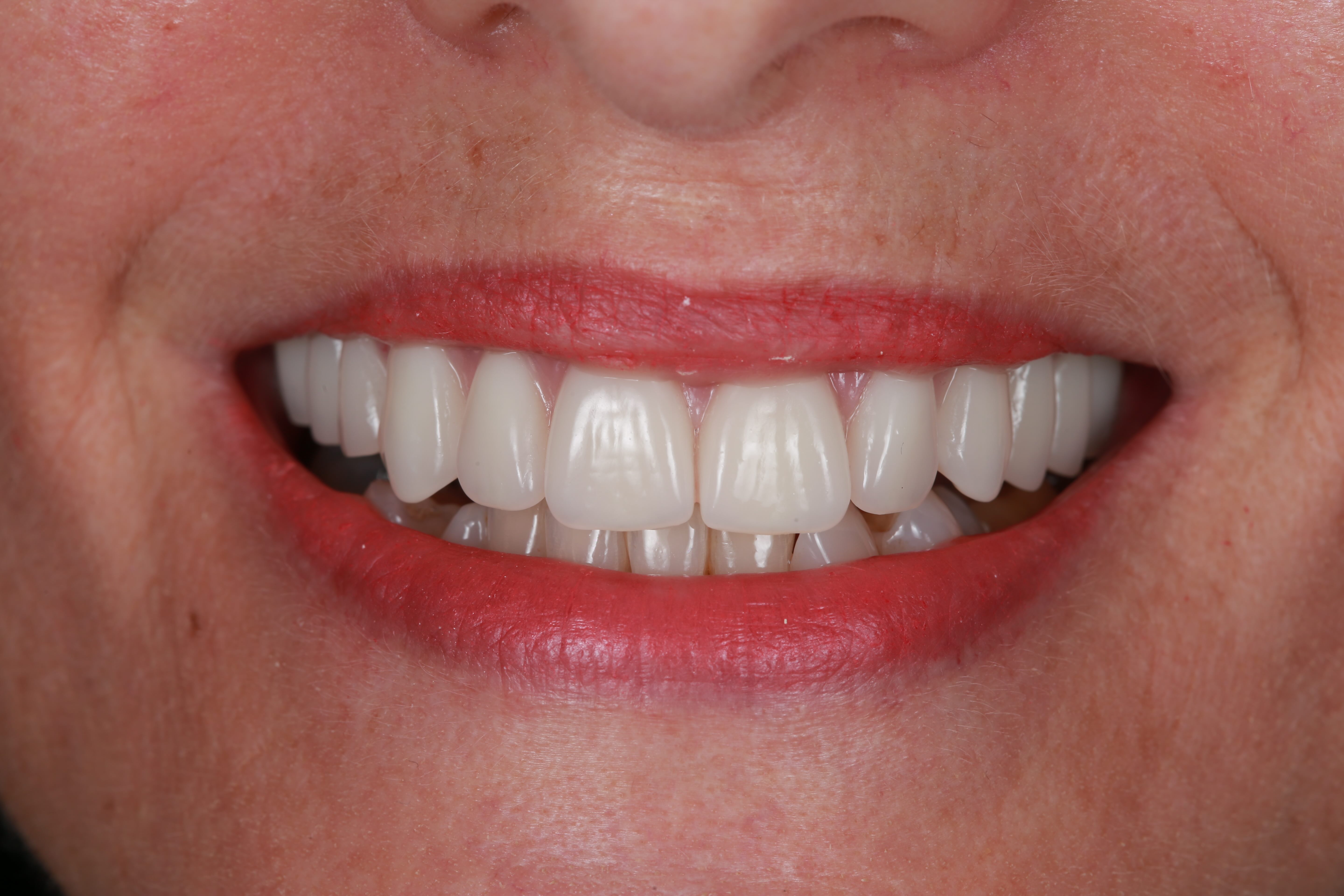
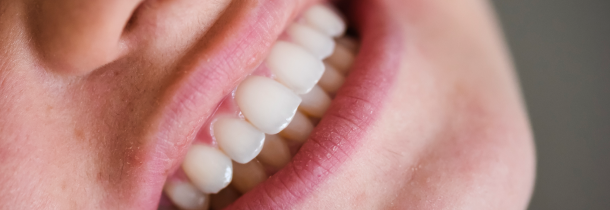
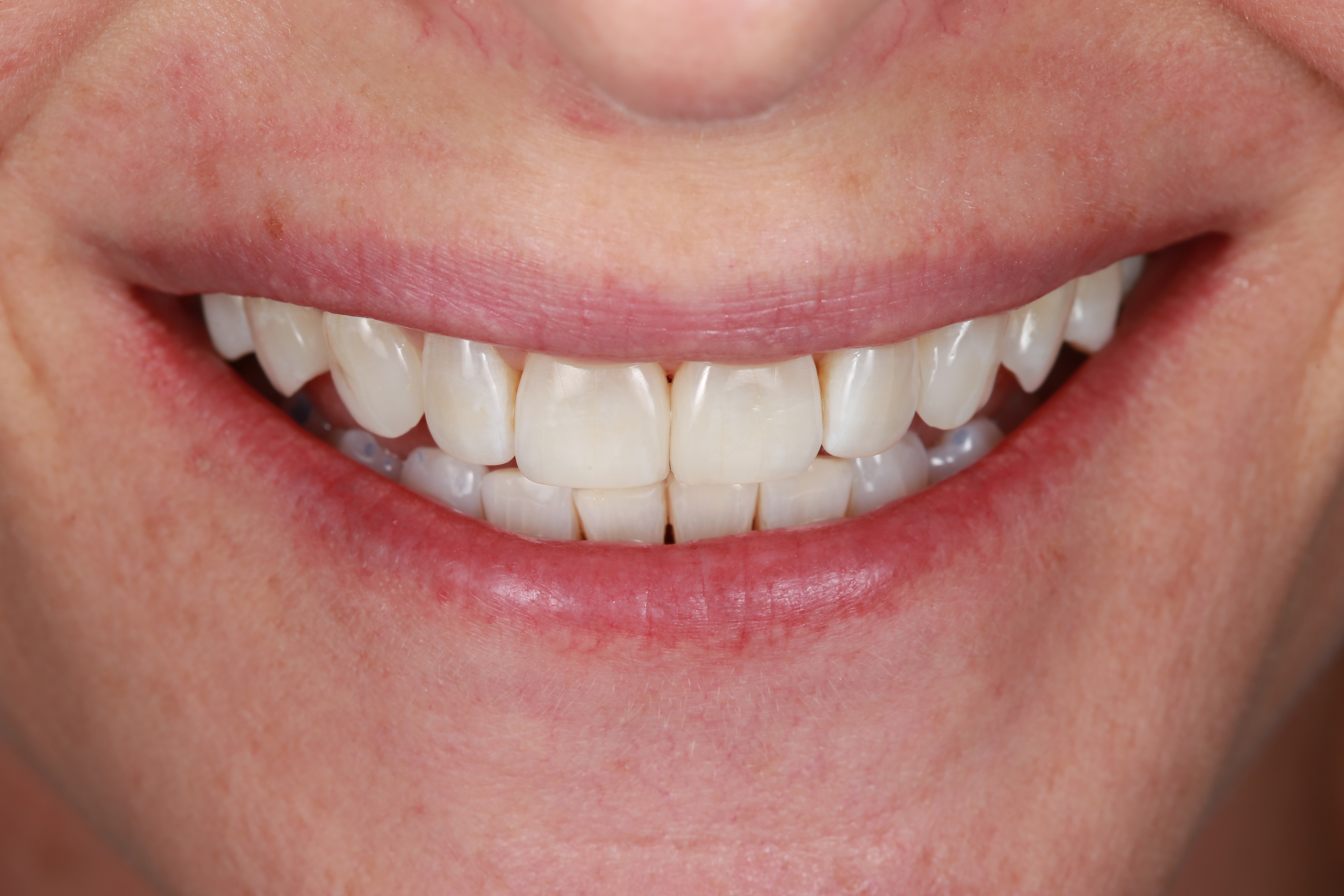
Customised for a natural-looking smile
Fixes chips, gaps and discolouration
Stain-resistant with proper care
Lasts longer than teeth whitening
Crafted in-house to reduce waiting time
Specialist-Led Veneer Treatment
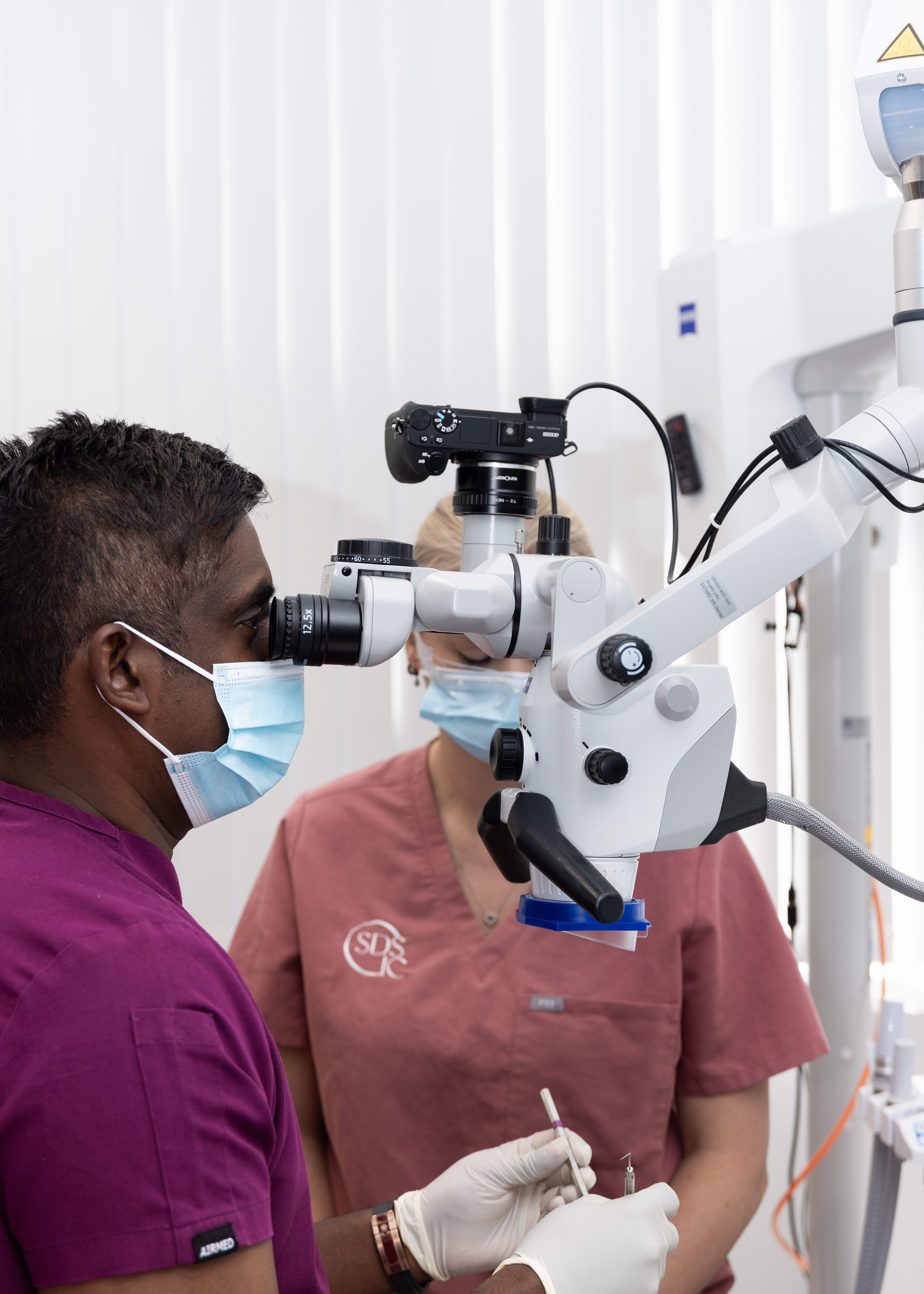
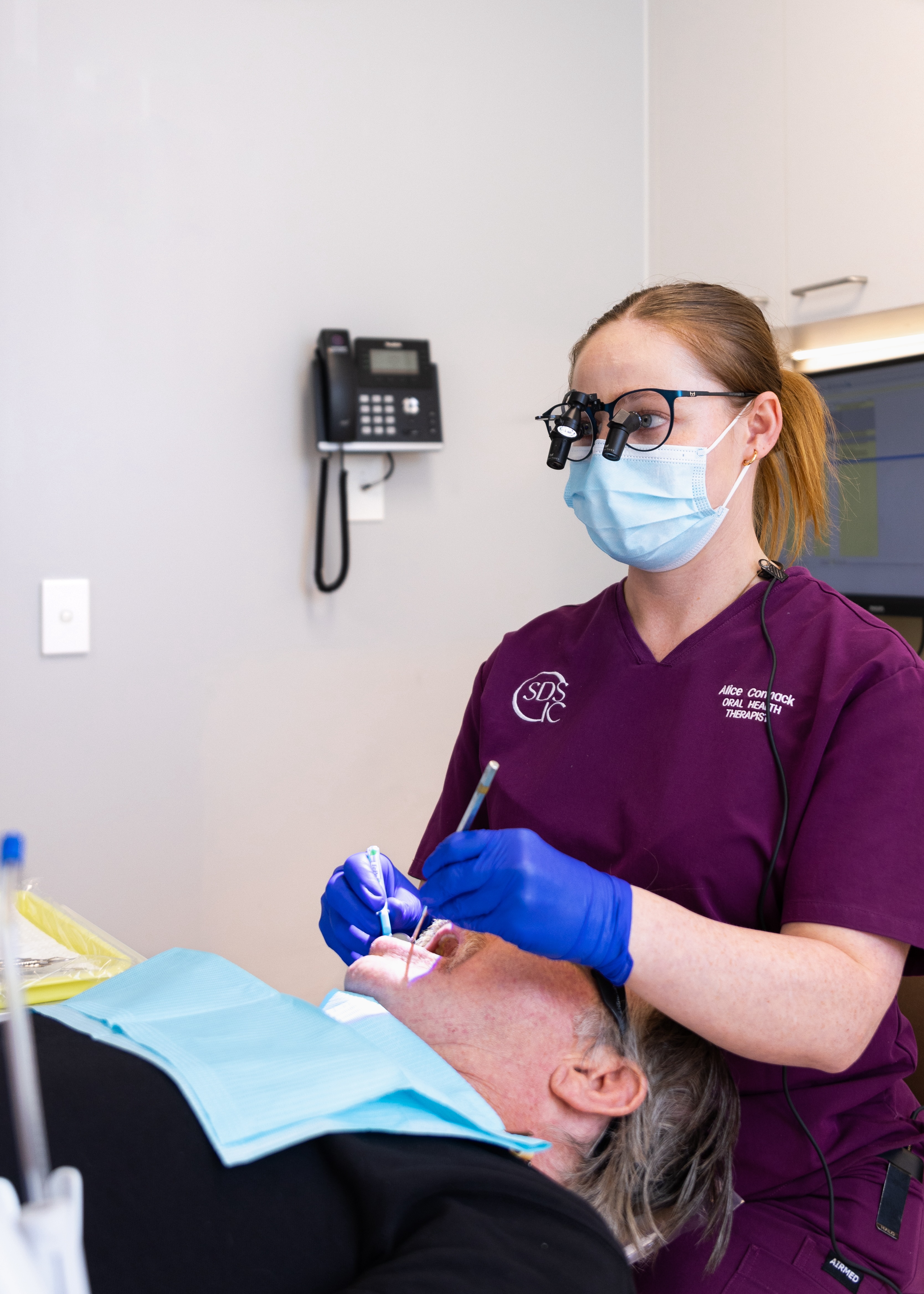
Your treatment is led by experienced dental specialists who bring meticulous attention to detail and a personalised approach to every smile.
Advanced In-House Laboratory
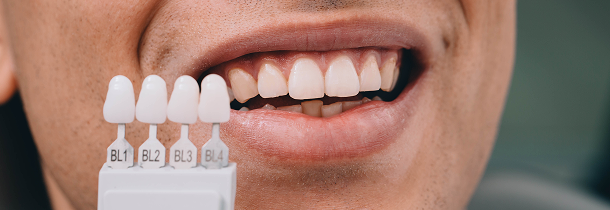
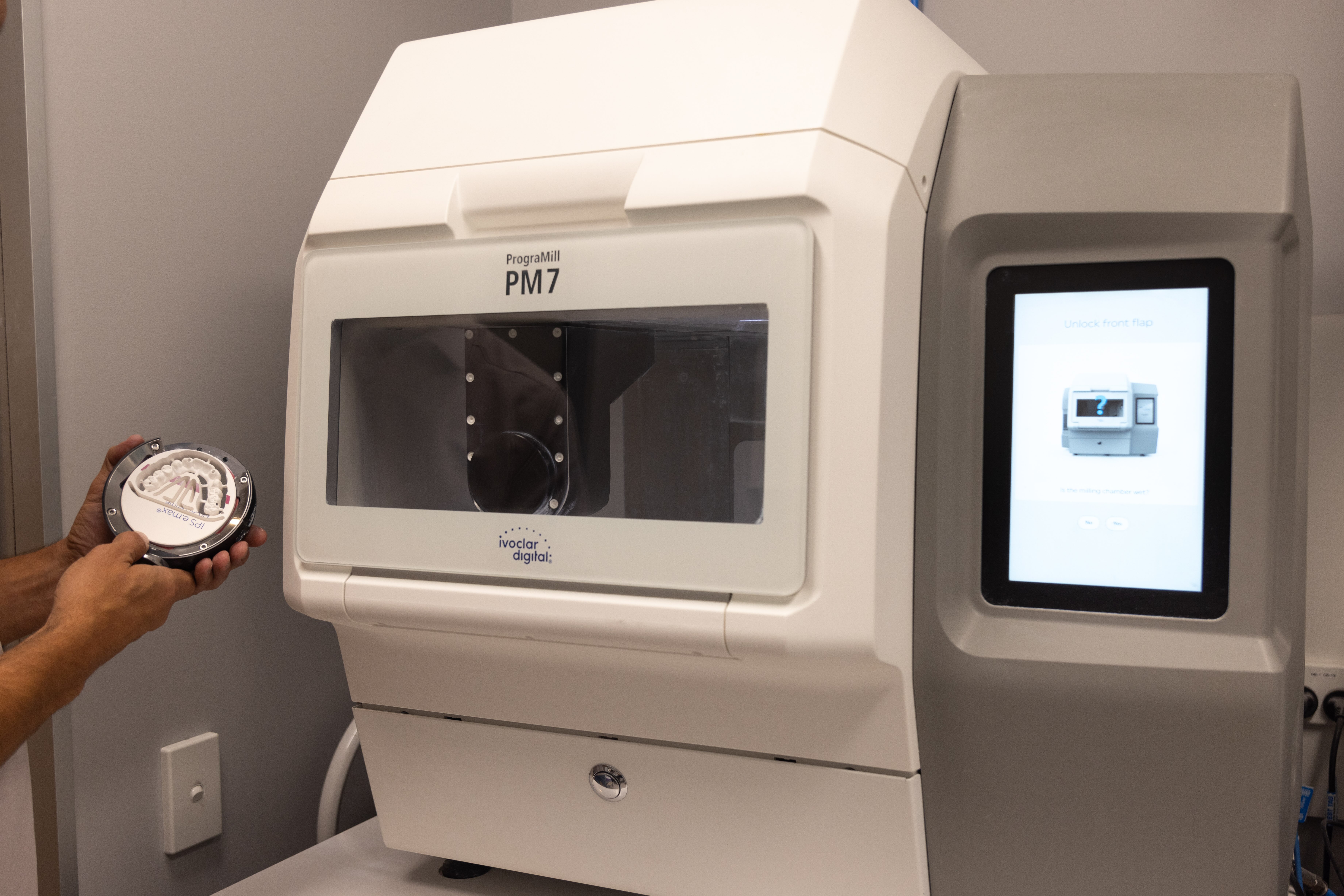
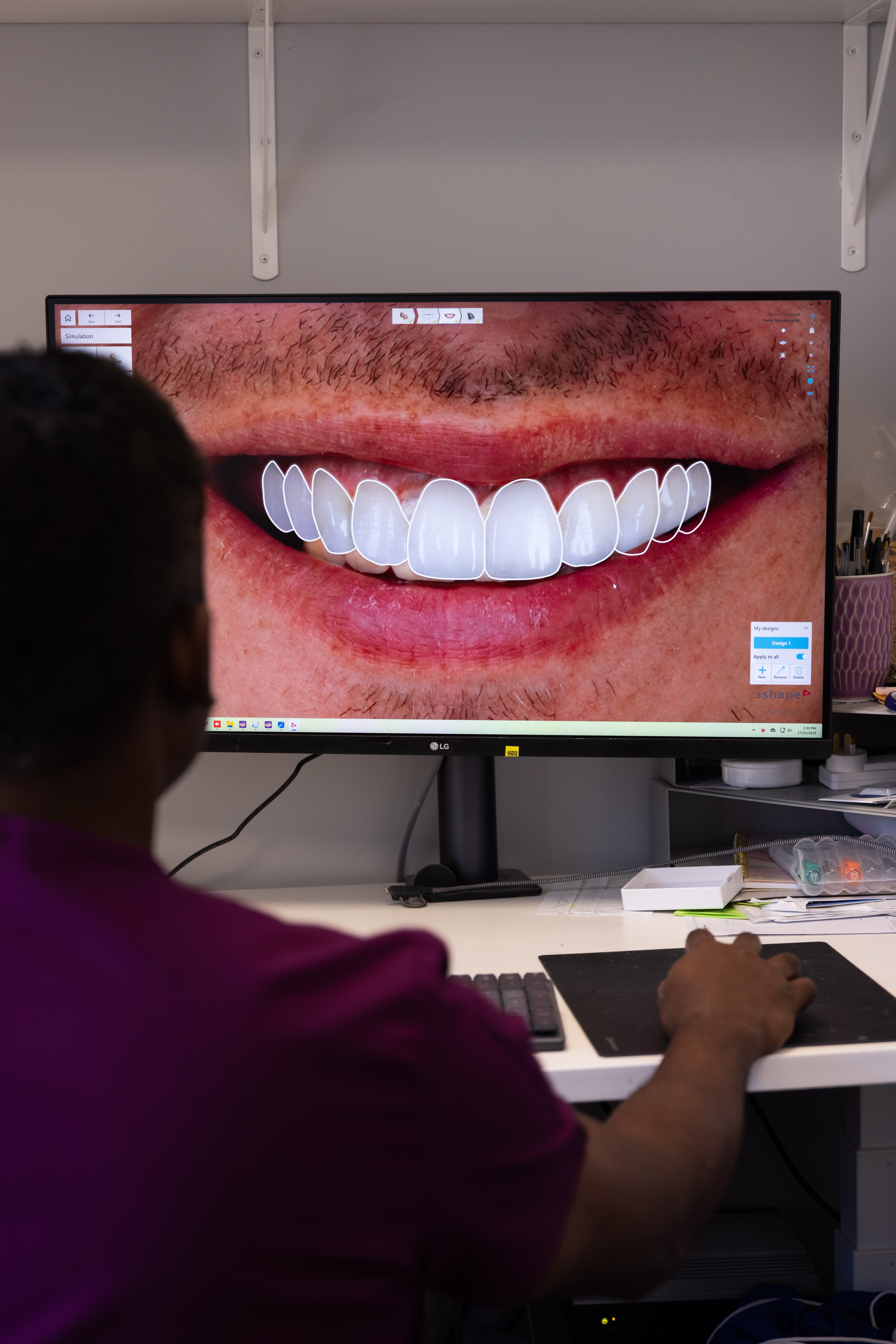
Our on-site lab and advanced technology let us design and craft your veneers with precision, custom-made to your tooth shape, shade and bite for a natural-looking fit.
More Than Just Aesthetics
From years of discolouration to chips or long-standing gaps, our specialists take the time to understand your concerns and create a solution that works for you.
With You at Every Step
At Southern Dental Specialists, we guide you through every stage, from consultation, material selection to final fitting, so there are no surprises.
.jpeg)
.jpeg)

.jpg)
That’s our simple philosophy — and it guides everything we do at Southern Dental Specialists & Implant Centre.







The cost of veneers depends on the material, how many teeth are treated, and the complexity of your case, so there's no single fixed price. Composite is usually the lower upfront cost, while porcelain generally lasts longer, which can affect the long-term value. Because every case differs, an accurate figure can only come from an in-person assessment. At Southern Dental Specialists in Wollongong, we provide a personalised treatment plan and quote at your consultation, and can talk through payment plan options to help spread the cost. You can learn more about our finance options for veneers here.
Porcelain veneers generally last 10 to 15 years, and often longer with good care, while composite veneers typically last around 4 to 8 years before they may need repair or replacement. Longevity depends heavily on how you look after them: brushing and flossing, regular dental check-ups, avoiding biting hard objects, and wearing a nightguard if you grind your teeth all make a difference. Veneers don't decay, but the natural tooth underneath still can, so ongoing oral hygiene matters. Habits like nail-biting or using your teeth to open packaging can shorten their lifespan considerably. At Southern Dental Specialists in Wollongong, we'll show you how to care for your veneers and monitor them at your routine visits to help them last.
Veneers are usually a long-term, non-reversible treatment because a thin layer of enamel is removed to fit them, meaning the tooth will always need a veneer or crown afterward. Some minimal-prep or composite options remove little to no enamel and can sometimes be reversed, depending on your case. At Southern Dental Specialists Wollongong, we make sure you understand what your treatment covers.
Veneers don't damage healthy teeth when planned and placed correctly, though fitting them usually removes a small amount of enamel that won't grow back. Teeth aren't filed down to pegs: only a thin front layer is prepared, and some minimal-prep options remove almost none. The main long-term risk is neglecting the tooth underneath. Our dental experts in Southern Dental Specialist Wollongong, we use a clinical safe approach to protect your natural teeth.
Veneers don't damage healthy teeth when planned and placed correctly, though fitting them usually removes a small amount of enamel that won't grow back. Teeth aren't filed down to pegs: only a thin front layer is prepared, and some minimal-prep options remove almost none. The main long-term risk is neglecting the tooth underneath. Our dental experts in Southern Dental Specialist Wollongong, we use a clinical safe approach to protect your natural teeth.
No, with the All-on-4 procedure, patients typically receive a temporary set of teeth on the same day as the implant surgery. This means you have functional teeth during the healing process. The temporary prosthesis is designed to be comfortable and allow you to eat and speak normally while the implants integrate with the jawbone over the next several months.


.png)