Book consultation

Lasting Solution
Natural Look and Feel
Supports Facial Structure
Restores Confidence
Advanced Technology
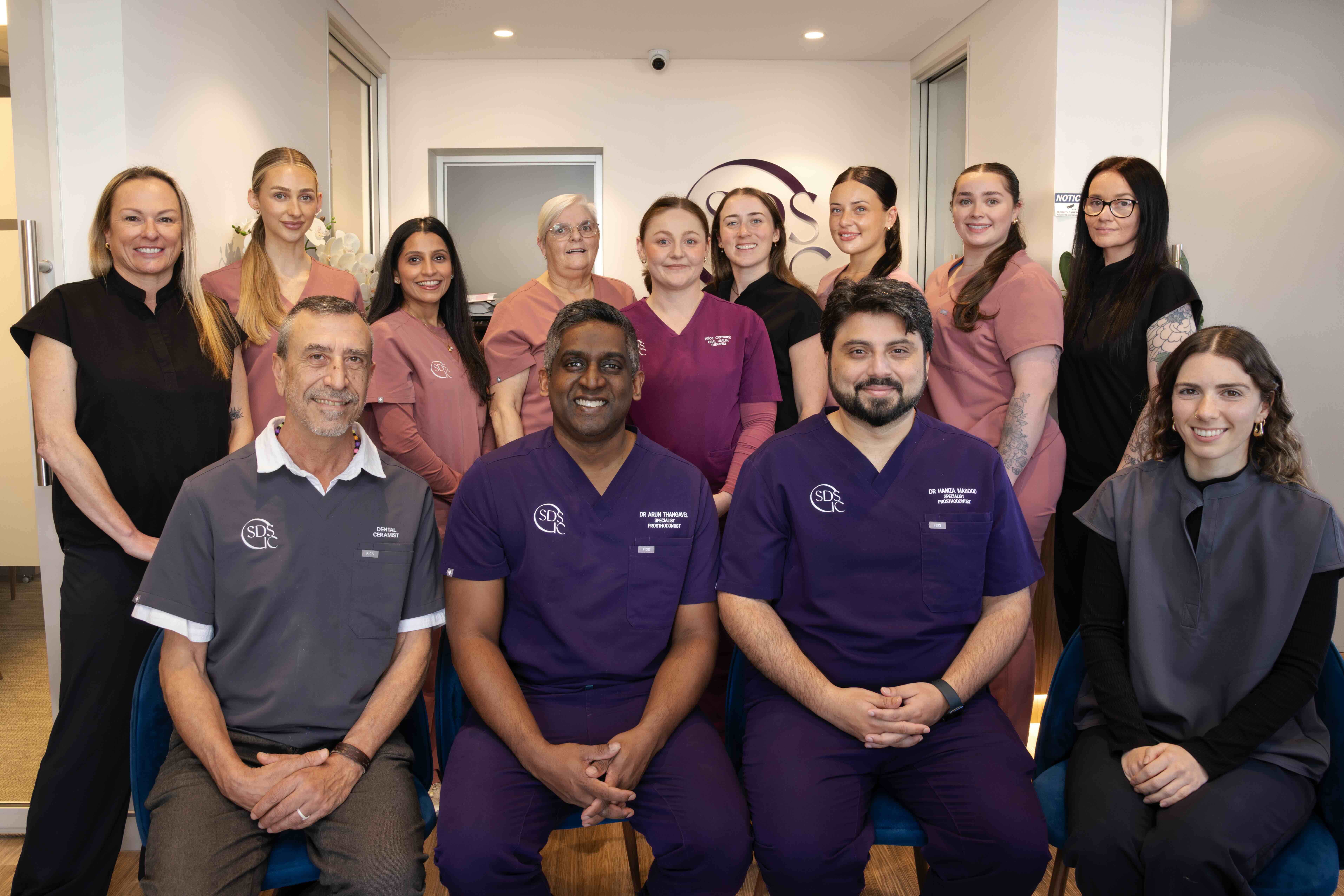
Experienced, Board-Registered Implant Specialists
Our team of specialists is highly trained in advanced implant dentistry, ensuring precision and lasting results for every patient.
Comprehensive, End-to-End Care
From your initial consultation through to post-treatment reviews, we provide seamless, personalised care every step of the way.
In-House Laboratory & Technicians
With our on-site lab, our specialists and technicians work closely to create customised implants that fit naturally and function perfectly.
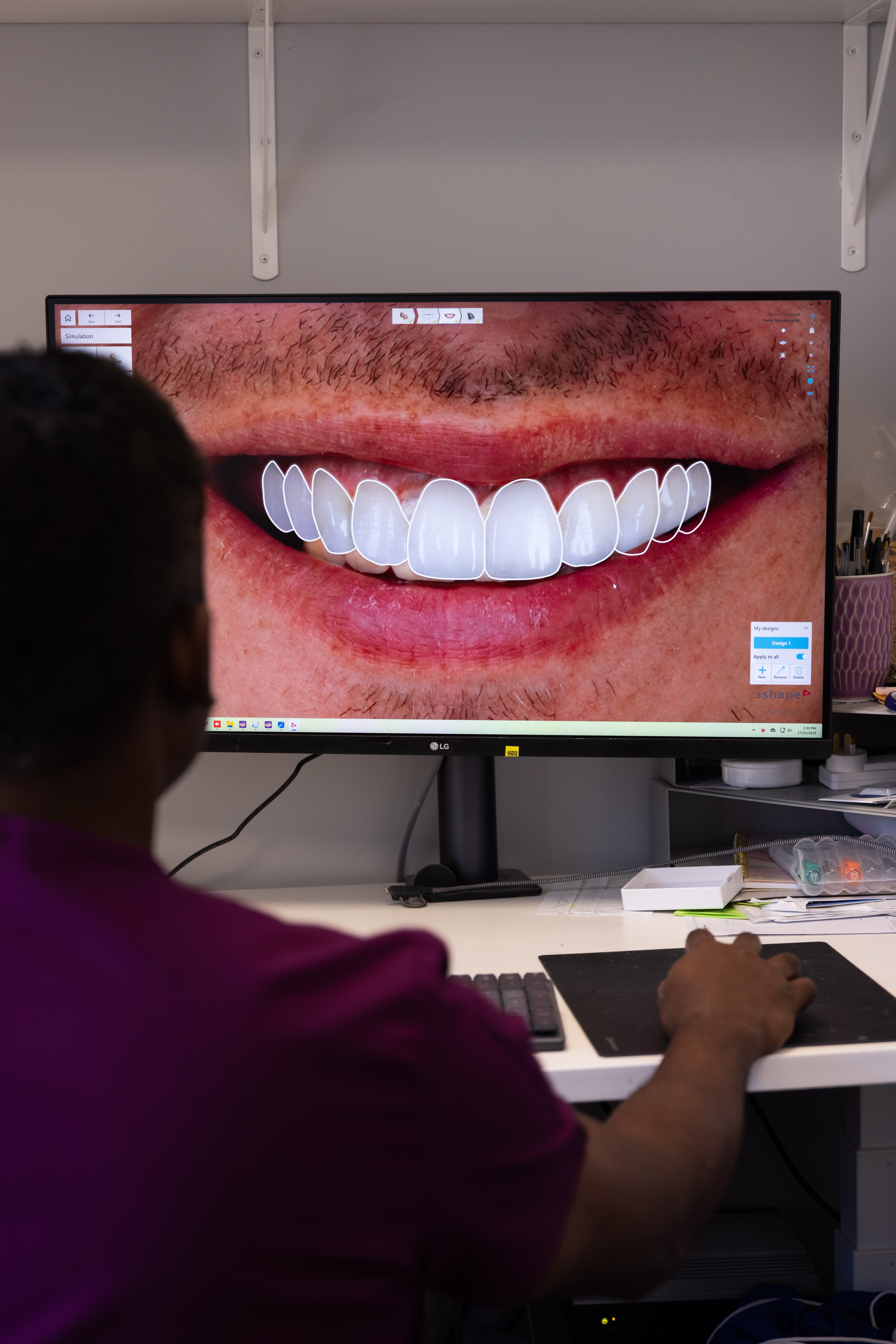
Advanced Surgical Technology
We use the latest imaging and digital planning systems to deliver precise, minimally invasive treatment with predictable outcomes.
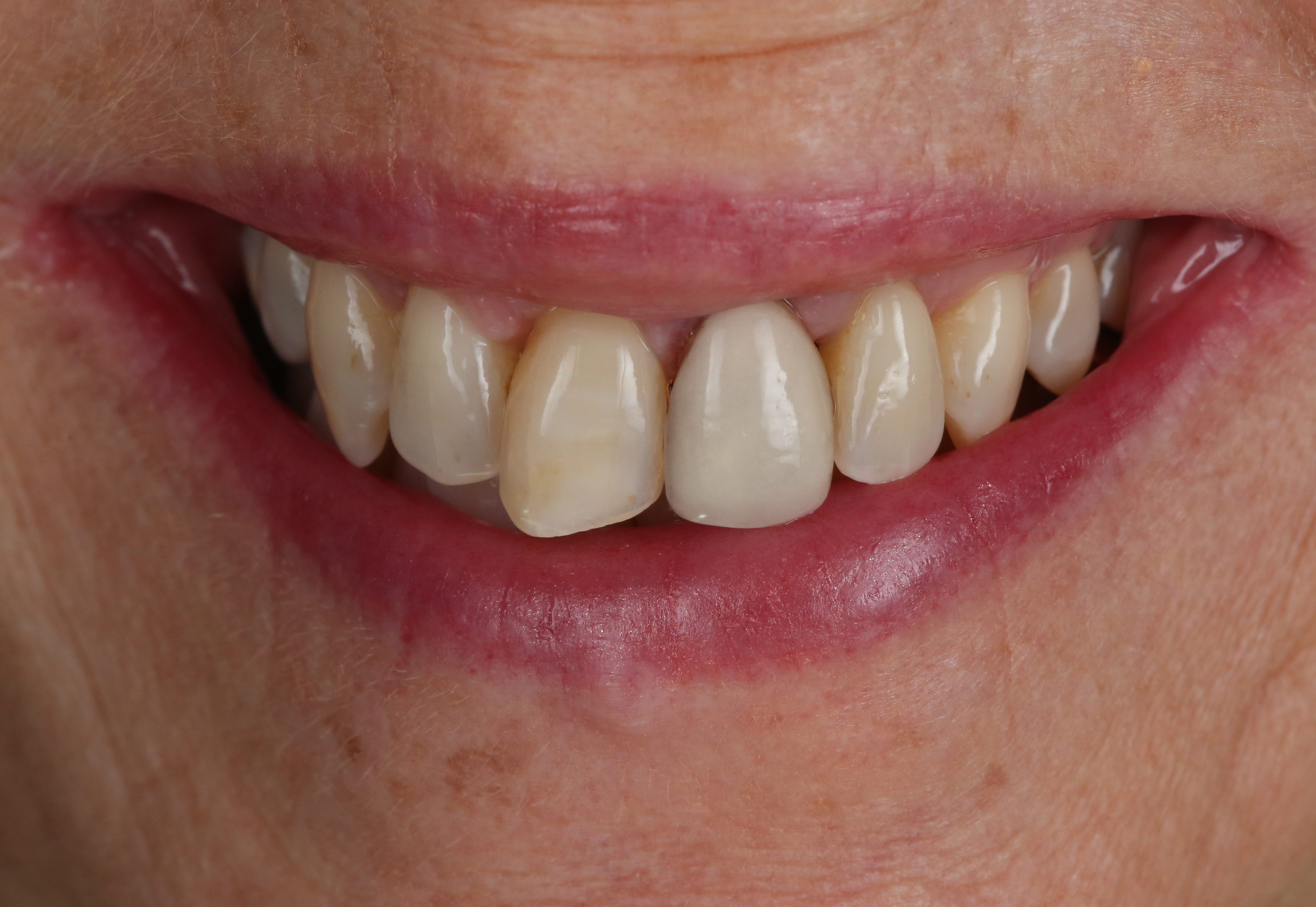
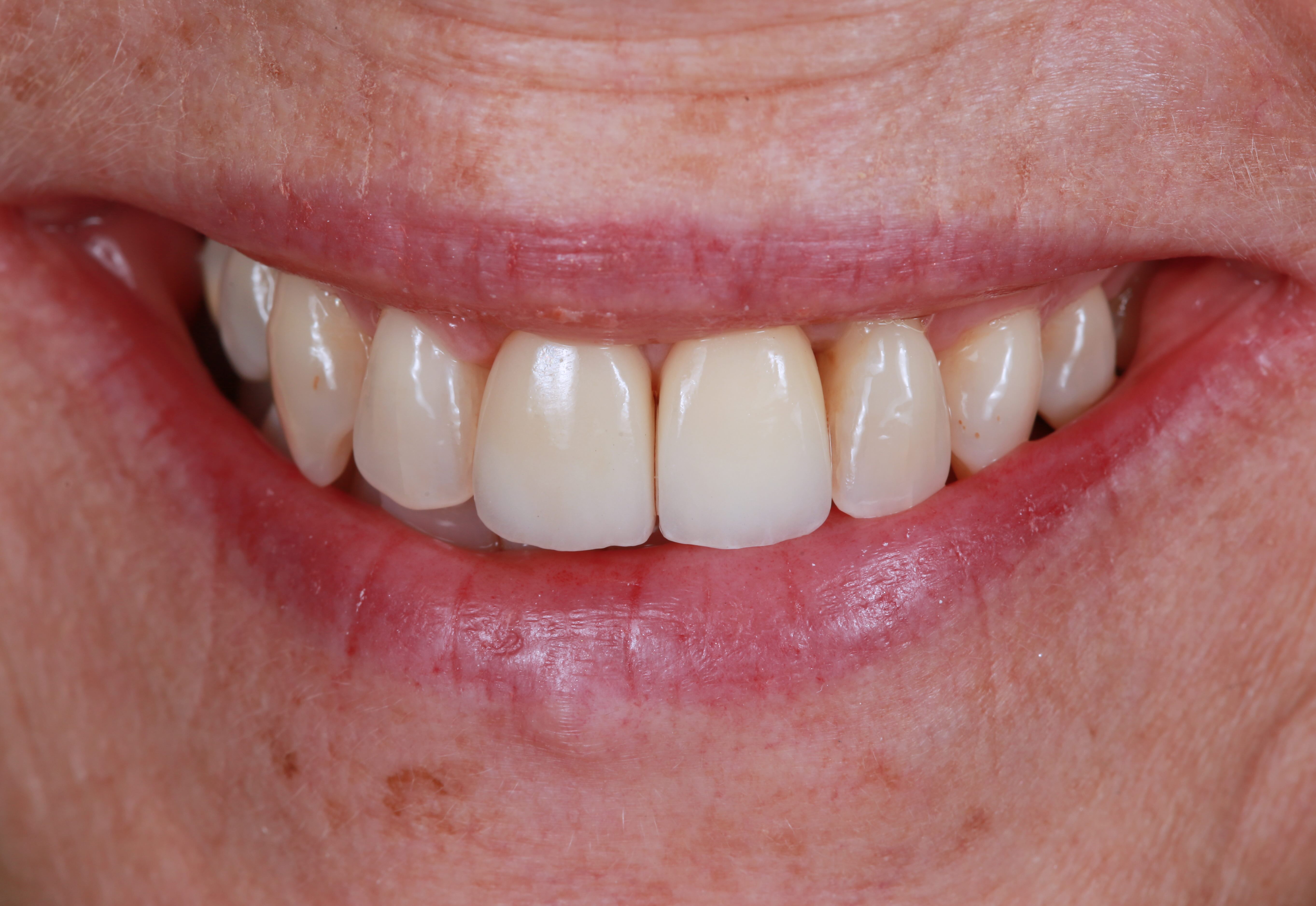
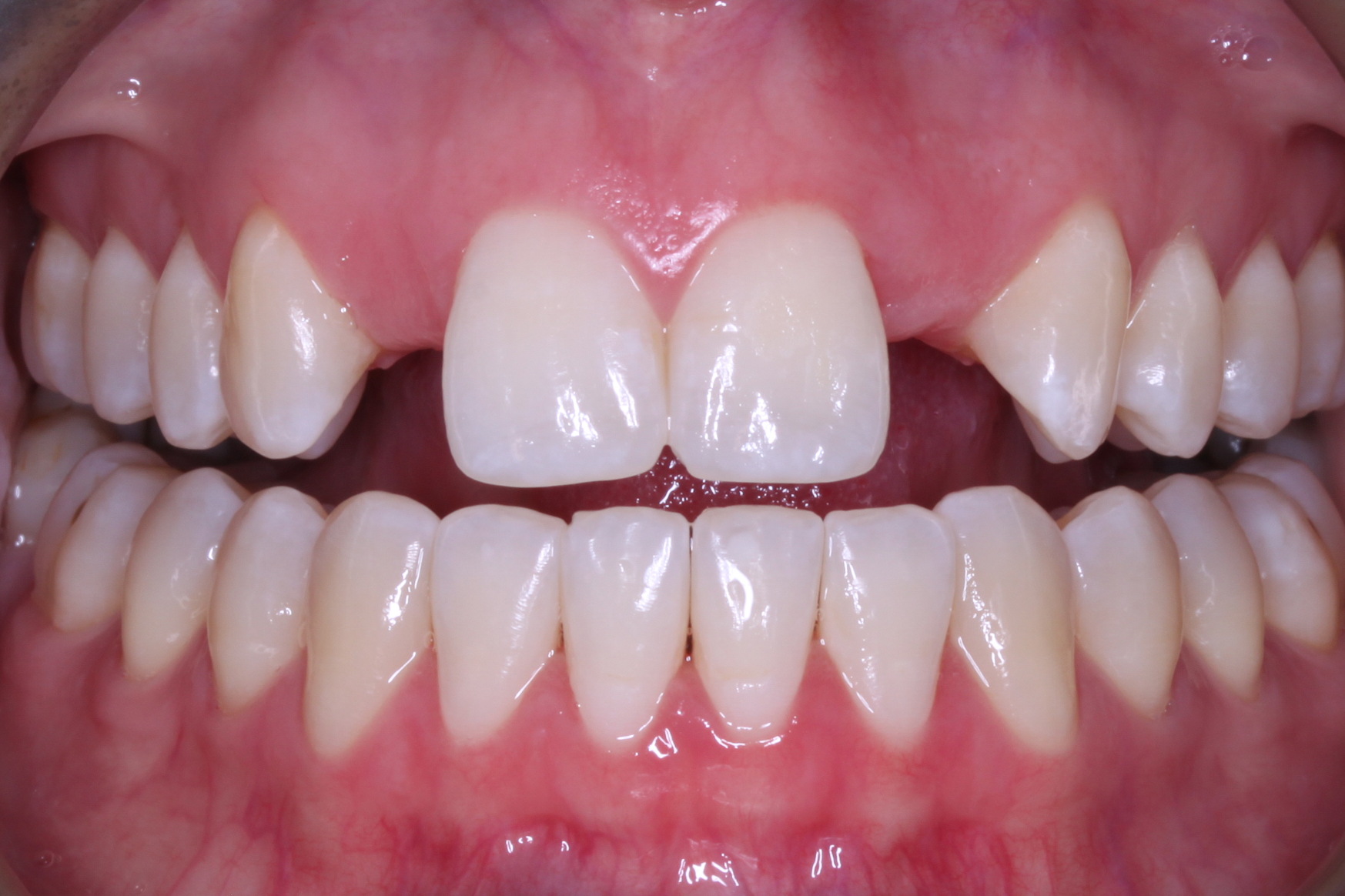
.jpg)
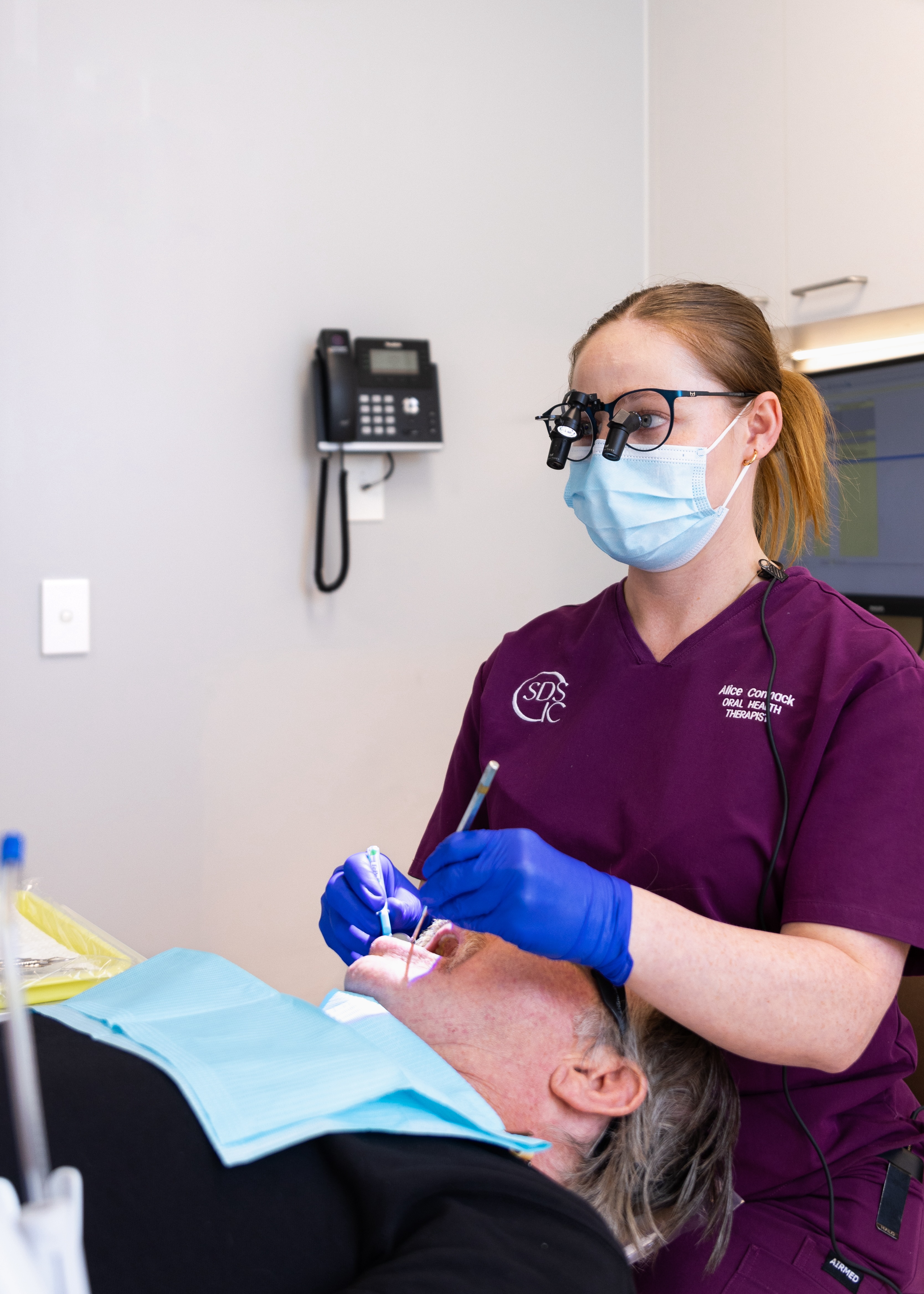
That’s our simple philosophy — and it guides everything we do at Southern Dental Specialists & Implant Centre.






The cost of dental implants in Australia varies depending on how many implants you need, the type of implant, and any extra procedures required.
A single dental implant typically ranges from $3,000 to $7,500, covering the implant post, abutment, and crown. Full-arch solutions like All-on-4 start from around $29,500 per arch, and implant-supported dentures begin at $10,000 per arch. Bone grafting, sinus lifts, or extractions are quoted separately. Medicare generally doesn't cover dental implants, though private health funds with major dental extras often contribute toward part of the cost.
At Southern Dental Specialists & Implant Centre, every quote is itemised and fixed before treatment begins, and we offer no deposit, no interest financing plans to help spread the cost.
Medicare generally does not cover dental implants, as the procedure is classified as restorative or cosmetic rather than medically necessary. Private health insurance with extras cover often contributes toward implant treatment, with most major dental policies capping annual benefits between $1,200 and $2,500. Some patients stage treatment across two calendar years to make use of two annual limits. Your written quote from Southern Dental Specialists & Implant Centre includes all relevant item codes, so you can confirm exact rebates and waiting periods directly with your fund.
Yes, in some cases, you may be able to apply for early release of superannuation to pay for dental implant surgery on compassionate grounds if the treatment is deemed medically necessary and you meet the eligibility criteria set by your super fund and the Australian Taxation Office. This isn’t automatic and requires approval. You can speak with your fund and your GP about whether you qualify.
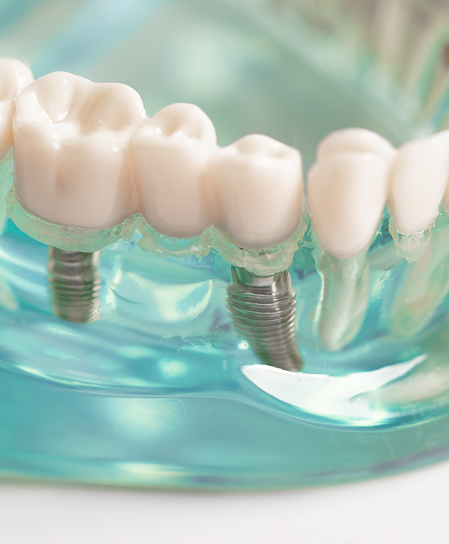
Dental implants replace missing tooth roots with titanium posts that are surgically inserted into your jawbone. Over several months, the implant fuses with the bone in a process called osseointegration, creating a stable foundation for a dental crown or other restoration. Once this integration is complete, a custom‑made crown, bridge or denture is attached to the implant.
There are several types of dental implants, but three common forms include:
· traditional endosseous screw implants, which are the most widely used and are placed directly into the jawbone;
· root analogue implants, which are custom‑shaped to match the extracted tooth socket;
· and All‑on‑4 implants, which use four strategically placed implants to support a full arch of teeth.
Each type has specific uses and benefits depending on your oral health and goals.
For most patients with one or more missing teeth, dental implants are considered the most effective long-term solution available, with success rates of 90 to 95% over 10 years. They restore full chewing function, prevent the bone loss that occurs after a tooth is removed, and don't compromise adjacent healthy teeth the way a traditional bridge can. For patients with multiple missing teeth, full-mouth implant solutions like All-on-4 typically deliver better long-term quality-of-life outcomes than removable dentures across a 15-year horizon.
Yes, in most cases. Bone loss is common after teeth have been missing for some time, but modern implant techniques offer several solutions. A bone graft can rebuild the area before implants are placed, sinus lifts add height in the upper jaw, zygomatic implants anchor into the cheekbone where the jaw is too thin, and All-on-4 itself uses angled implant placement specifically to work around areas of low bone density.
Most dental implants take 4 to 9 months from start to finish. The implant post is placed in your jawbone first, then left to heal for 3 to 6 months while the bone fuses around it. Once healed, the crown is fitted on top. Extra steps like extractions or bone grafting can stretch the timeline to 9 to 12 months. At Southern Dental Specialists & Implant Centre, you'll get a written timeline at your consultation so you know what to expect at each stage.
Dental implants are designed to be a long‑term solution and can last 20 years or more with proper care. The titanium implant post fuses with the jawbone permanently, but the crown or the visible restoration may need replacement after roughly 10–15 years due to normal wear and tear. Regular dental hygiene and check‑ups help extend the lifespan of both the implant and its restoration.
Dental implant surgery is performed under local anaesthetic, often combined with oral or IV sedation for anxious patients, so the procedure itself is not painful. Most patients report mild to moderate discomfort during the 3 to 7 day recovery period, similar to a tooth extraction, and over-the-counter pain relief like paracetamol or ibuprofen is generally enough to manage it. Some swelling and bruising in the first 48 hours is normal and settles quickly. Implant placement is usually significantly less painful than patients expect going in, and once healed, implants function pain-free for decades.
No, you won’t be without teeth while implants integrate with your jawbone. In most cases, patients will receive a temporary set of fixed teeth on the same day as the implant surgery. These temporary teeth let you eat and speak normally while your jaw heals and fuses to the implants over the following months before the final prosthesis is fitted.


.png)