Book consultation


Considering veneers but unsure which option is right for you?
Both composite and porcelain veneers are excellent cosmetic options for transforming the appearance of your teeth.
However, there are some key differences worth understanding before you decide which one suits you best.
Our dental specialists in Wollongong understand that veneers are a significant investment, and we believe in being transparent about what the treatment involves.
Whether you're after a quick, affordable solution or a long-lasting investment, veneers offer a range of benefits.
While the process and materials differ between porcelain and composite veneers, they share the same goal: giving you a natural, healthy-looking smile.
In this article, we cover everything you need to know about veneers, from specialist treatment options down to the costs involved.
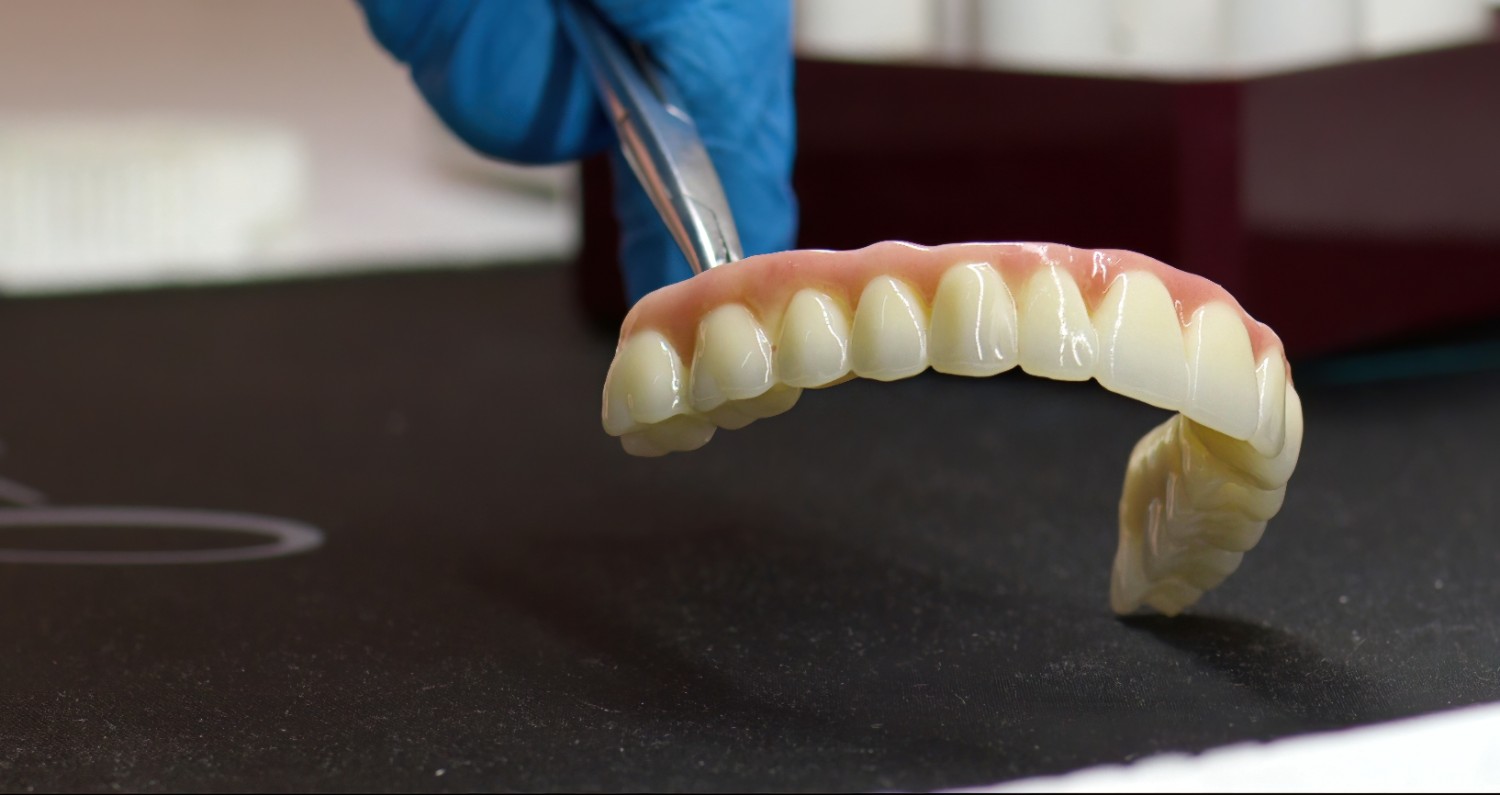
Porcelain veneers are a straightforward way to enhance the appearance of your smile.
These custom-made caps sit over the front of your natural teeth and can last up to 15 years with proper care.
Porcelain veneers are commonly used to cover cracked or chipped teeth, mask discolouration, correct the appearance of crooked or misaligned teeth, and conceal teeth with worn enamel.
What Materials are Used?
Porcelain veneers are made of wafer-thin dental ceramic. They are designed to replicate the look, colour, and feel of your natural teeth.
Depending on your requirements, there are a few porcelain options your dentist may choose from:
Typical Treatment for Porcelain Veneers
The procedure for applying porcelain veneers is usually stretched over 2-3 weeks.
There are a few steps involved before the ceramic can be bonded to your teeth:
You will typically need to book a follow-up appointment 2 weeks after the final veneers are bonded.
This allows your dentist to ensure the bonding has fused properly, there are no bite issues, your gums are healthy, and to make any necessary, final adjustments.
Composite veneers work similarly to porcelain veneers.
This resin material is sculpted directly onto your teeth and can last up to 7 years with proper care.
They're highly customisable, meaning the shape can be adjusted during application to suit your preferences.
As a quicker and slightly more affordable option, composite veneers are often used to mask chipped teeth or cover small gaps.
What Materials are Used?
These veneers are made from a composite tooth-coloured resin, a blend of durable plastic (typically porcelain or composite resin) and fine glass particles.
It's a malleable, paste-like substance also used in other dental treatments, such as standard fillings.
While the material can last up to 7 years, it tends to wear down more quickly than porcelain
Resin is porous and has a higher tendency to stain, crack, or chip under strenuous wear.
Typical Treatment for Composite Veneers
The process for applying composite veneers is much quicker than porcelain veneers, taking only one appointment over roughly 1 hour.
This is because the resin is shaped as it’s applied, so there is no need for impressions or moulding in a laboratory.
Generally, your dentist won’t require you to book a follow-up appointment once the application is finished.
However, it’s good practice to book in regular dental appointments for maintenance and to increase the longevity of the veneers.
A dentist will be able to offer more personalised insight into which option best suits your needs.
There are numerous variables to consider, and depending on your personal goals, the recommendation may vary from standard practice.
Book an appointment with Southern Dental Specialists and Implant Care to discuss whether porcelain or composite veneers are the right choice for you.
Porcelain veneers tend to cost around 2 to 4 times more than composite veneers. Generally, the costs of treatment are as follows:
There are a few different reasons for this price gap, relating to outsourcing, materials, and labour.
Materials and Labour:
Porcelain veneers are customised in a dental lab, which involves technicians, specialised equipment, and precise craftsmanship to match the impressions of your teeth shape and size.
Composite veneers are sculpted during the application, and require no external influence.
Time and Visits:
Composite veneers can be done in a single visit, cutting down your time on the dentist’s chair and the overhead costs.
Porcelain, however, requires two or more appointments for preparation, impressions, and application.
Longevity:
Porcelain veneers last significantly longer than composite, typically 10-15+ years, before needing renewal.
Because composite veneers are made of a cheaper, more flexible material, they usually need replacing after 5-7 years.
Skill and Precision:
Achieving the natural translucency and strength of porcelain veneers requires more technical skills both in-lab and by your dentist.
Composite veneers don’t involve these added steps, justifying their slightly cheaper price range.
Generally, the cost of veneers is not covered by Medicare or private health insurers, as it's considered a cosmetic procedure.
The Australian government doesn't fund non-essential treatments. However, some private health insurers may offer rebates for dental care.
It's worth speaking with your provider about plan-specific benefits and whether any elements of veneer treatment are included.
Southern Dental Specialists and Implant Care can provide you with an itemised treatment plan that breaks down the source of costs, including any areas where there may be a functional reason for your veneer treatment.
Porcelain veneers are the better choice for long-lasting results, while composite veneers may be better suited if you're looking for a quicker option that can be adjusted or changed.
It's worth consulting with a dentist about which option is right for you, as personal circumstances and goals for your teeth vary from person to person.
Cost is also a factor worth considering before committing to either option.
Your dentist can walk you through the benefits and practice-specific costs in more detail.
Book a consultation with Southern Dental Specialists and Implant Care to learn more about our practice and procedures, and to ask any lingering questions you have about your veneer options.

View all posts by Dr Arun Thangavel