.png)
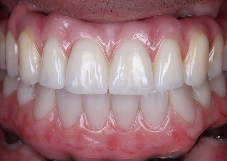

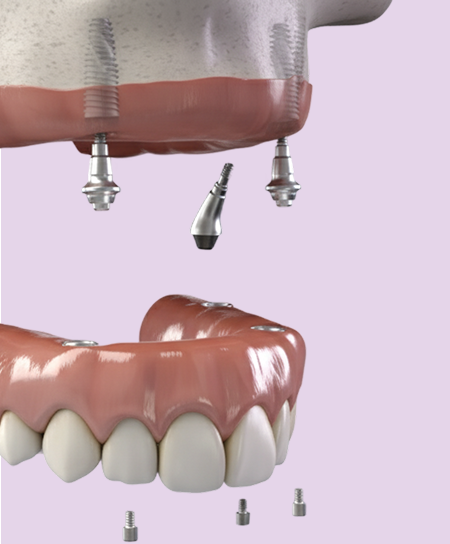

Lasting, Natural-Looking Solution
Quick Recovery
Minimal Invasiveness
Complete Care
Advanced Technology
Experienced, Board-Registered All-On-4 Specialists
Our highly qualified specialists are trained in complex dental procedures, including All-on-X. You're in the best hands for your treatment.
Comprehensive Care
We offer end-to-end treatment and care, from initial consultation to post-treatment support, ensuring you’re comfortable every step of the way.
In-House Laboratory & Technicians
Our in-house lab and dental technicians work closely with our specialists to ensure precision and a personalised approach for each and every one of our All-on-4 patients.
Excellent Track Record
With years of experience in delivering high-quality outcomes, we pride ourselves on providing solutions that truly improve our patients’ lives.
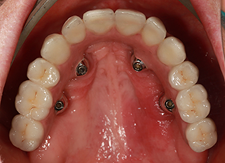
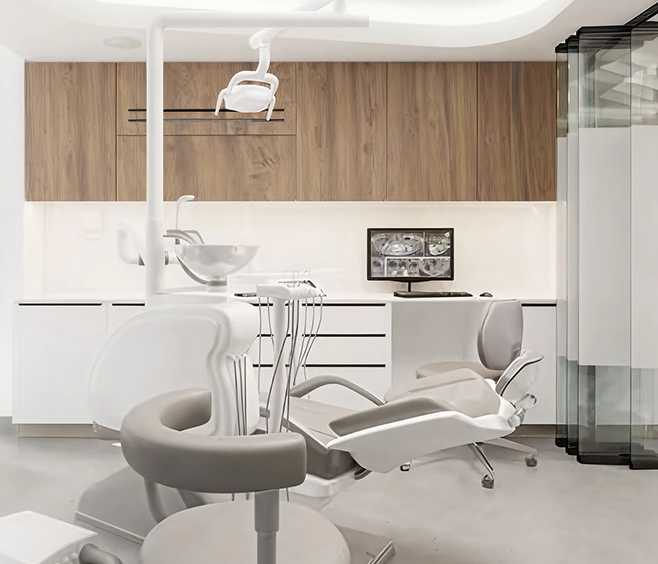
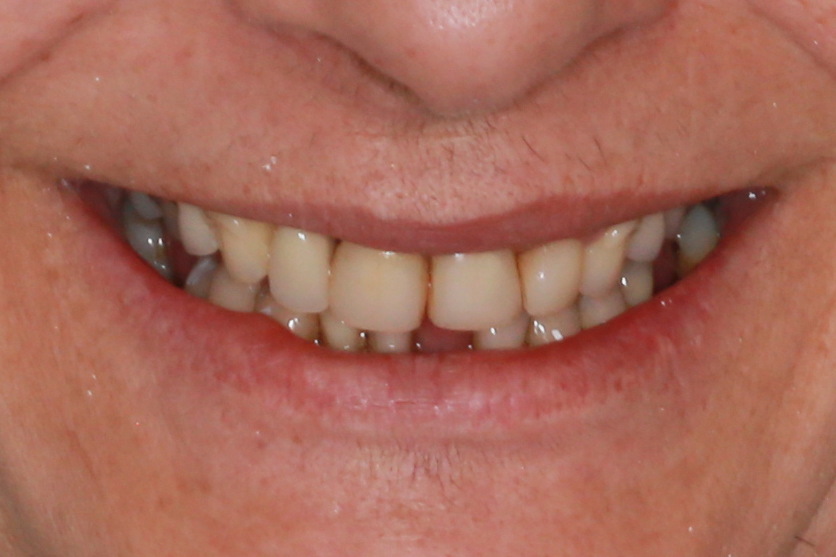
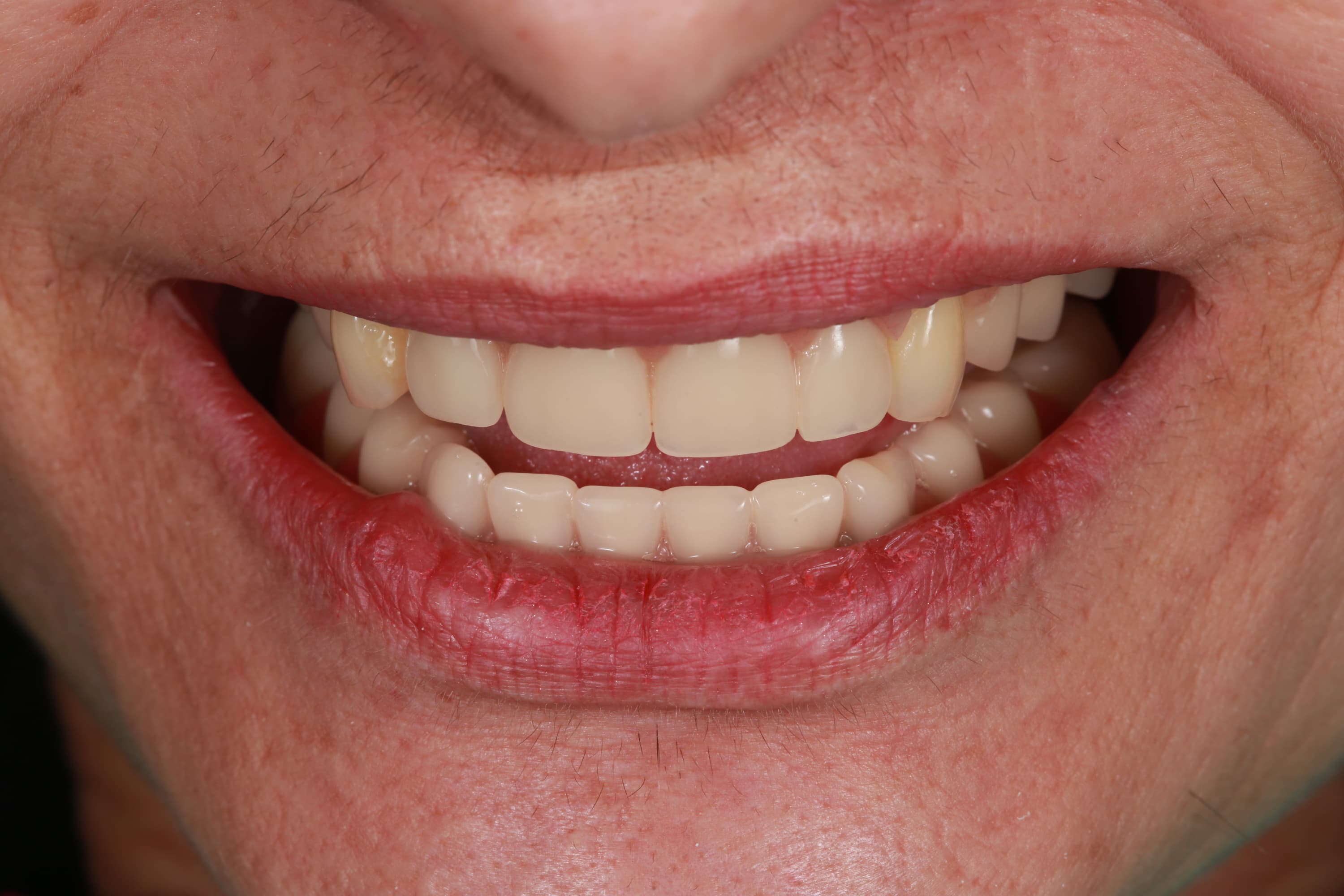
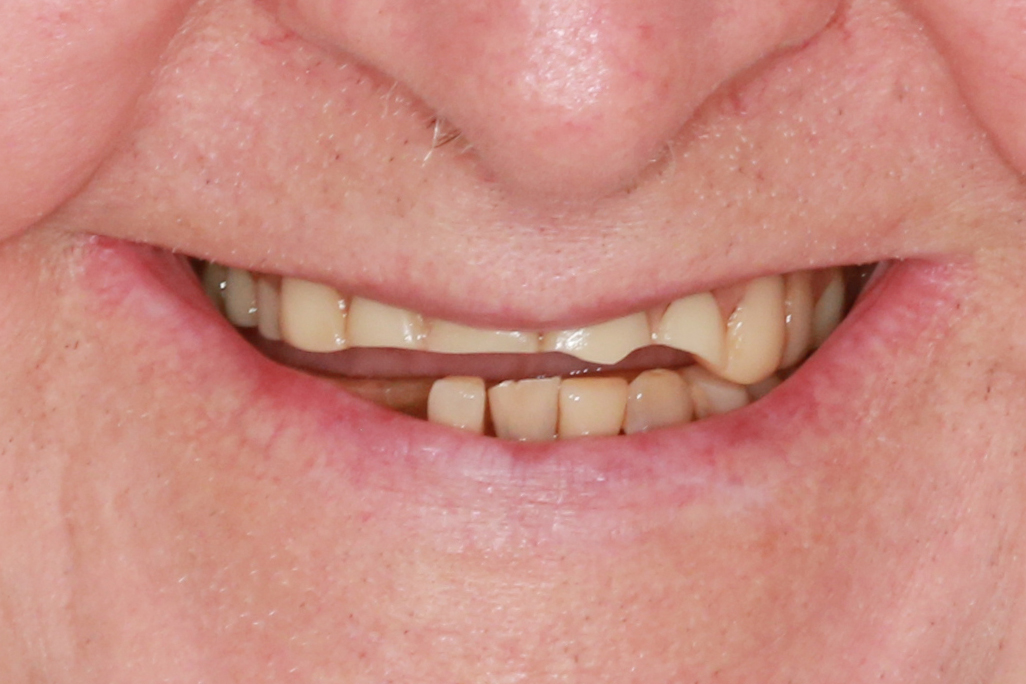
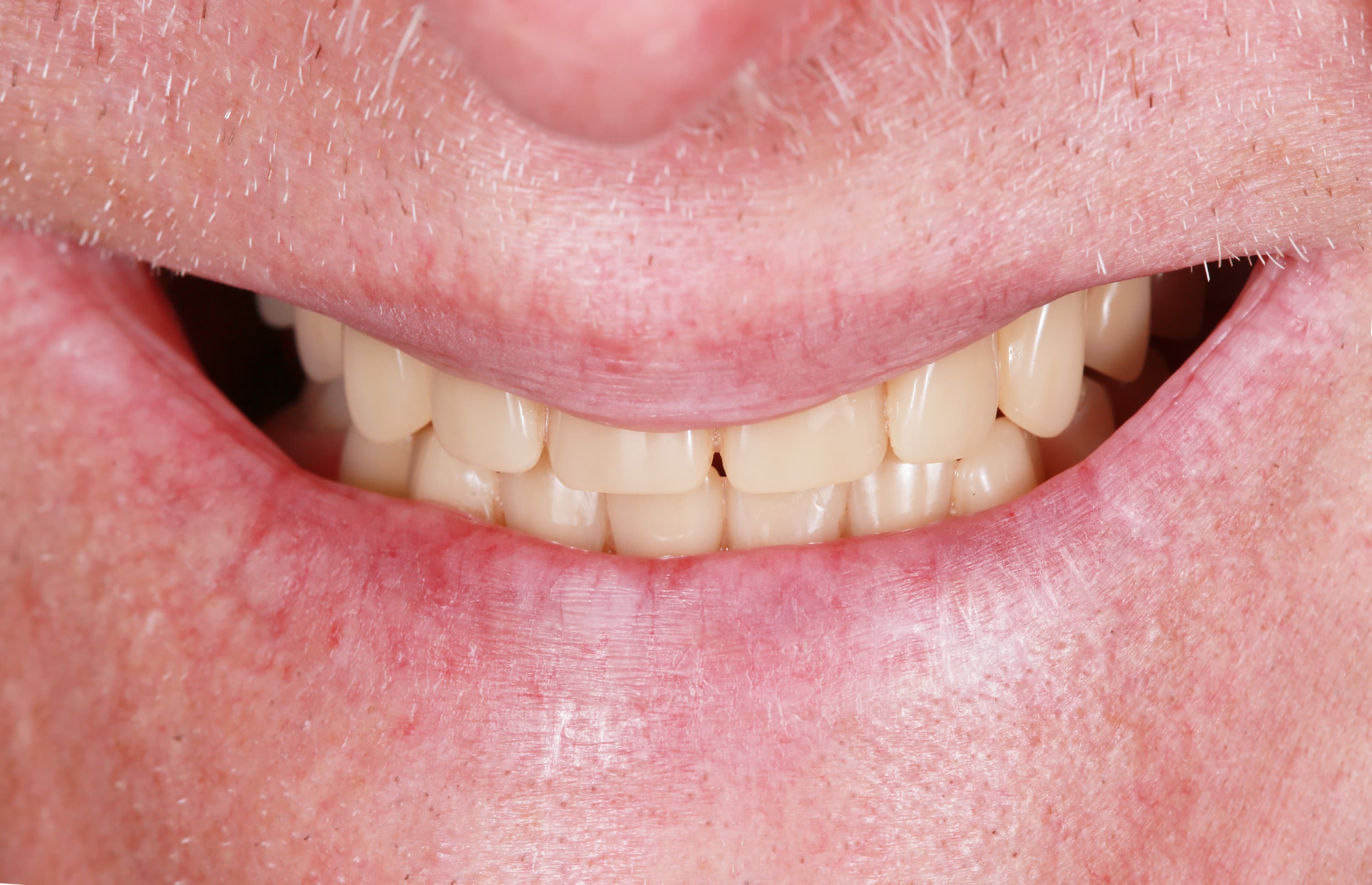

That’s our simple philosophy — and it guides everything we do at Southern Dental Specialists & Implant Centre.


In Australia, the cost of All-on-4 dental implants cost approximately $30,000, depending on materials used and clinic location. Many clinics offer financing options to help manage the expense and, where needed, distribute the payments over a longer period. Southern Dental believes in the accessibility of specialist dental care, which is why we provide finance plans with simple online applications, no deposit, and interest-free repayments. You can learn more about our finance options for implants here.
All-on-4 dental implants offer a transformative solution for full-arch tooth replacement, but they do come with potential downsides. Possible complications include implant failure, gum irritation, and prosthesis wear. Additionally, not all patients are suitable candidates; factors like insufficient bone density, active gum disease, or certain medical conditions may affect eligibility. Southern Dental can assess your individual suitability and give tailored advice on next steps.
Yes, food can occasionally get trapped under All-on-4 implants, especially if there are gaps between the bridge or gumline. Regular cleaning, including the use of special cleaning tools like floss threaders or water flossers, can help manage this issue. It's also advisable to schedule regular dental check-ups to ensure the implants and surrounding tissues remain healthy and free of food debris.
After the healing phase, you can eat more or less normally— this is one of the most significant advantages of this kind of treatment compared to dentures, which can be highly restrictive. That being said, for the longevity of your implants, it's also recommended to cut food into smaller pieces and chew on both sides of the mouth to distribute pressure evenly. Apart from this, feel free to enjoy chewy steak, crunchy veggies, and more.
All-on-X implants are designed for long-term durability. With proper care, the titanium posts can last a lifetime, while the prosthetic teeth may need replacement after 10–15 years. Regular maintenance and good oral hygiene are crucial to maximising their lifespan. It's also important to avoid habits like teeth grinding or chewing on hard objects, which can cause undue stress on the implants.
No, with the All-on-4 procedure, patients typically receive a temporary set of teeth on the same day as the implant surgery. This means you have functional teeth during the healing process. The temporary prosthesis is designed to be comfortable and allow you to eat and speak normally while the implants integrate with the jawbone over the next several months.
There's no age limit for dental implants. The key factors are overall health, bone density, and the ability to heal. Many patients in their 70s and 80s successfully receive dental implants, provided they meet these criteria. Dental implants can be advisable for suitable candidates in their 70s and 80s as these functioning teeth are known to improve overall nutritional intake, and stop the face from sinking due to missing teeth.
Dentists clean All-on-4 implants by removing the prosthetic teeth and cleaning the implant surfaces above the gum line. This process helps prevent plaque buildup and ensures the implants remain in optimal condition. Regular professional cleanings, combined with daily at-home care, are essential for maintaining implant health. Patients should also be advised on the use of non-abrasive toothpaste and specialised cleaning tools, to care for their implants effectively.


